Florida roads keep things interesting – from unexpected summer downpours and pop-up construction zones, to crowded parking lots where defensive driving kicks in long before you even find a space. With so many ways a car can become damaged, understanding where your insurance steps in shouldn’t be a guessing game.
One of the questions we hear most often from drivers involves what comprehensive car insurance covers in Florida compared to collision coverage. The names sound similar, but they protect you in very different situations. And knowing which is which can make a big difference when it’s time to repair or replace your vehicle after damage or theft.
Let’s break down the difference in plain language, with real Florida scenarios so you can quickly spot which coverage applies.
Comprehensive vs. Collision – the Quick Version
If you only remember one rule, let it be this:
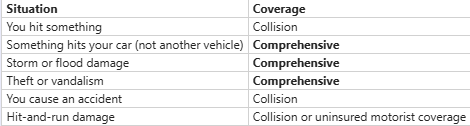
- Collision = when you hit something
- Comprehensive = when something hits your car (and it wasn’t another moving vehicle)
Now, here’s how it plays out:

Both collision and comprehensive coverage are optional add-ons in Florida (unless required by your lender), but many drivers choose one or both. Understanding what comprehensive car insurance covers in Florida helps you decide what fits your vehicle, budget, and driving habits.
Florida Scenarios: Real Examples of When Each Coverage Applies
These everyday situations show the difference more clearly than definitions alone.
Scenario #1 – a Tree Branch Falls During a Storm (Comprehensive)
You’re home during a typical Florida thunderstorm when you hear a loud crack. A palm frond lands squarely on your hood, denting the metal and cracking the windshield.
Comprehensive coverage applies here.
Storm damage, falling objects, wind-blown debris, and hurricane impacts are examples of what comprehensive car insurance covers in Florida. Weather is unpredictable — and this protection is a lifesaver during Florida’s six-month-long hurricane season.
Scenario #2 – You Rear-End Someone in Traffic (Collision)
Slow-moving I-95 traffic, one distracted moment, then — bump.
This is a collision claim.
Collision steps in when your vehicle hits another car or object, whether you misjudge braking distance, slide on wet pavement, or back into a parked truck. It pays for repairs after accidents involving operator error.
Scenario #3 – Road Debris Cracks Your Windshield (Comprehensive)
You’re behind a construction truck on the Turnpike when gravel shoots out and leaves a spiderweb crack across your glass.
Comprehensive covers this.
Windshield and glass damage fall under what comprehensive car insurance covers in Florida, and some policies offer reduced or zero-deductible repairs to encourage early fixes.
Scenario #4 – Your Car Is Stolen or Vandalized Overnight (Comprehensive)
You wake up ready for work – but your driveway is empty.
Comprehensive applies.
Theft and vandalism are part of what comprehensive car insurance covers in Florida. While personal items inside the car may fall under your home, condo, or renters insurance, comprehensive helps repair or replace the vehicle itself.
Tip: Photos and a police report help support a claim.
Scenario #5 – You Back Into a Pole in a Parking Lot (Collision)
Maybe the palm tree was hiding it. It happens.
Collision coverage applies.
If repairs cost less than your deductible, you might choose to pay out of pocket – but for larger damage, collision coverage can make a stressful moment manageable.
Scenario #6 – Flood Water Reaches Your Vehicle (Comprehensive)
Heavy rain turns the street into a shallow lake overnight, and water seeps into your car’s interior.
This is comprehensive.
Flooding is one of the most important examples of what comprehensive car insurance covers in Florida, especially in low-lying or coastal areas. Saltwater and electronics don’t mix – damage often leads to total loss.
Scenario #7 – a Hit-and-Run in the Grocery Store Parking Lot (Collision +)
You come out with groceries and see a fresh dent – no note, no witness.
Collision typically applies unless you carry Uninsured Motorist Property Damage (UMPD), which may help pay for your vehicle’s repairs, depending on policy specifics. Florida has a high rate of uninsured drivers, so this add-on is worth considering.
While not part of what comprehensive car insurance covers in Florida, it’s a good reminder that coverage works as a system – and the right mix matters.
How to Know When You Need Comprehensive vs. Collision Coverage
Some drivers carry both for peace of mind. Others choose based on vehicle age, value, and exposure to risk.
Choose collision if you want coverage for:
- Accident repairs when you're at fault
- Damage from hitting vehicles or objects
- Protection for new or financed cars
Choose comprehensive if you want protection from:
- Weather damage (storms, falling trees, hail)
- Theft and vandalism
- Flooding – one of the most common claims in the state
- Non-crash losses such as fire or animal damage
Because weather and flood risks are so common, knowing what comprehensive car insurance covers in Florida is just as important as collision coverage, especially if you park outside or live near the coast.
Choose the Right Insurance Coverage for Your Car in Florida
When a claim happens, you shouldn’t have to wonder which coverage applies. Understanding what comprehensive car insurance covers in Florida compared to collision coverage helps you protect your vehicle – and your wallet – with confidence.
If you'd like someone to walk you through options, compare coverage levels, or review your policy, our team at The Windward Insurance Agency is always happy to help. No pressure – just guidance you can trust.
Call The Windward Insurance Agency at (866) 231-2433 or request a quote anytime. You can also visit our auto insurance page online now for additional details.
We’ll help you feel confident with your car insurance long before you ever need it.