.png)
The forecast didn’t look too bad. A few days of rain. Some wind. Nothing unusual for Florida. Most things stayed where they were. The car was still in the driveway. The patio furniture still outside. The “We’ll get to it tomorrow” list still untouched.
Then the storm track shifted.
Gas lines stretched around the block. Store shelves emptied. Tasks manageable in an afternoon suddenly felt impossible to complete in a few hours.
For many homeowners, hurricane prep in Florida starts with a clear, step-by-step plan – and doesn’t fall apart because of one big mistake; it’s the small things, easy to miss until it’s too late.
Preparing for a hurricane in Florida means securing your home, protecting your vehicle, and planning ahead before the final 24 hours. Commonly missed steps include managing drainage, securing loose items, relocating vehicles, and reviewing insurance coverage before a storm.
What Hurricane Prep in Florida Often Misses
Most homeowners know the basics: bring in patio furniture, check shutters, keep an eye on the forecast. What gets missed are seemingly non-urgent details – easy to ignore in the moment, costly once the storm hits.
Clogged gutters and drains can back water up toward the home instead of away from it. A loose fence panel or decorative item can become airborne in high winds. Garage doors – often the largest opening on a home – can fail under pressure if not properly secured.
None of these feel like major risks on a calm day. During a storm, however, they can quickly become the starting point for much larger damage.
It’s Not Just Your Home: Hurricane Risks to Your Car
When a storm approaches, most attention goes to the house. The car is left wherever it happens to be, often becoming one of the most commonly missed parts of hurricane prep in Florida. This may work – until flooding or wind-driven debris enters the picture.
Vehicles parked in low-lying areas or near drainage paths are especially vulnerable. Even a small amount of rising water can lead to significant damage and, in many cases, a total loss. Parking under trees adds another layer of risk if winds pick up.
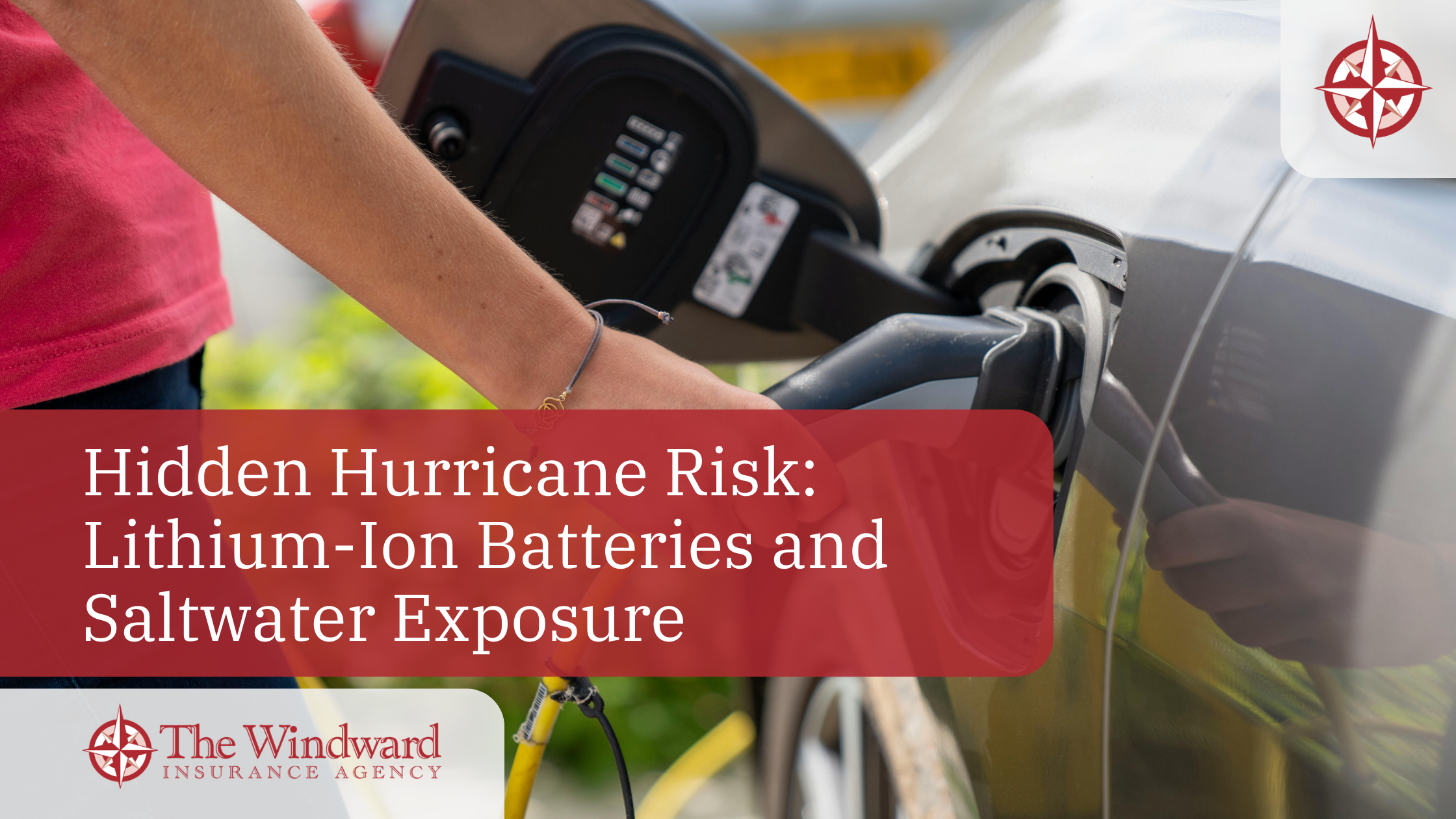
For electric vehicles and other equipment with lithium-ion batteries, exposure to saltwater introduces additional concerns. Damage may not be immediately visible, but it can create a fire risk even after the storm has passed.
Relocating a vehicle to higher ground or a more protected area is one of the simplest steps to take and one of the easiest to put off.
The 24-Hour Window Closes Fast
Preparation tends to happen in phases – until it doesn’t.
A few days out, there’s time. A day out, your options start narrowing. Within the final 24 hours, availability becomes the problem. Fuel runs low. Supplies disappear. Moving outdoor items or vehicles becomes harder to coordinate. Even basic tasks feel rushed.
This is where timing matters more than effort, especially when it comes to hurricane prep in Florida. The goal isn’t to do everything perfectly; it’s to avoid being forced to do everything at once.
After the Storm, the Gaps Show
Once the storm passes, preparation (or lack of it) becomes easier to see.
Damage may not always come from the storm itself. Water entering through an unsecured opening, debris impact from loose items, or preventable exposure can all add up.
There’s also the challenge of what comes next: documenting damage, preventing further issues, and starting the recovery process while resources are stretched across entire communities.
It’s at this point many homeowners find themselves thinking the same thing: We meant to take care of that.
A Simpler Way to Stay Ahead of the Storm
Hurricane prep in Florida doesn’t have to be complicated, but it does need to be clear and timely. This is exactly why we created a practical, step-by-step resource.
Bookmark or download our Hurricane Season Go-To Guide for Florida homeowners for a straightforward plan covering what to do before, during, and after the storm – for your home, your vehicle, and more.
Frequently Asked Questions
What should you do before a hurricane hits in Florida?
Preparing for a hurricane in Florida means securing outdoor items, clearing drainage, protecting openings, and moving vehicles early – before the final 24 hours limit your options. For a step-by-step plan, see our Hurricane Season Go-To Guide.
Where should you park your car during a hurricane?
Park your car on higher ground, away from flood-prone areas, trees, and structures. Falling debris or even shallow flooding can cause severe damage or a total loss.
Does homeowners insurance cover hurricane damage in Florida?
Homeowners insurance typically covers wind damage from hurricanes but does not cover flooding. Flood damage requires a separate flood insurance policy.
Why is flood insurance important during hurricane season?
Flooding can occur anywhere heavy rain falls, not just in high-risk zones. Even a few inches of water can cause costly damage, and standard homeowners policies don’t cover it.
How far in advance should you prepare for a hurricane?
Hurricane preparation should begin several days before a storm is expected. Waiting until the final 24 hours often limits your options because fuel, supplies, and time become harder to manage.
How a Coverage Review Fits Into Hurricane Prep in Florida
The risks you plan for before a storm should be covered by your insurance. Storm damage rarely hits just one place. Flooding, wind, and debris can affect your home, your vehicle, and more – often all at once, and in ways standard insurance doesn’t fully address.
This is why it’s worth taking a closer look at how your property is insured before the season ramps up. Your home, your car, and your flood risk are all handled differently, and gaps aren’t always obvious until you need to file a claim.
The home, flood, and auto insurance professionals at The Windward Insurance Agency can help ensure you’re covered for all possibilities this hurricane season. Call us at (866) 231-2433 or get started with a quote for homeowners insurance, flood insurance, or car insurance now.